Creating a clutter-free and productive home workspace can make a big difference in how effectively you work. Whether you’re working remotely full-time or just need a dedicated spot for occasional tasks, an organized area helps boost focus and reduces stress. Here are practical tips to help you design a workspace that keeps clutter at bay and maximizes your productivity.
Why a Clutter-Free Workspace Matters
Clutter can be distracting. A messy desk or chaotic surroundings can make it harder to concentrate and slow down your workflow. A tidy environment signals your brain that it’s time to focus, helping you stay on track and complete tasks more efficiently.
Besides improving concentration, organizing your workspace also creates a more inviting and comfortable area where you actually want to spend time. Small changes lead to big improvements in your workday.
Choose the Right Location
The foundation of an effective workspace starts with location. Here’s what to keep in mind:
– Natural Light: Place your desk near a window if possible. Natural light reduces eye strain and boosts mood.
– Minimal Distractions: Find a quiet spot away from household noise or high-traffic areas.
– Comfortable Space: Ensure there’s enough room for your desk, chair, and necessary equipment without feeling cramped.
Even a small corner can work well if you keep it well-organized.
Declutter and Prioritize Essentials
Before arranging your workspace, clear everything off your desk and seriously consider what you really need. Ask yourself:
– Which tools or items do I use daily?
– What can be stored away or removed altogether?
– Are there duplicates I can eliminate?
Keeping only essential items like your computer, notebook, and a pen holder helps reduce clutter. Store extra supplies in drawers or shelves to keep surfaces clear.
Use Functional and Efficient Storage
Storage solutions are key to maintaining a clutter-free space. Consider these organizers:
– Desk Drawers: Use dividers or small containers to keep stationery neat.
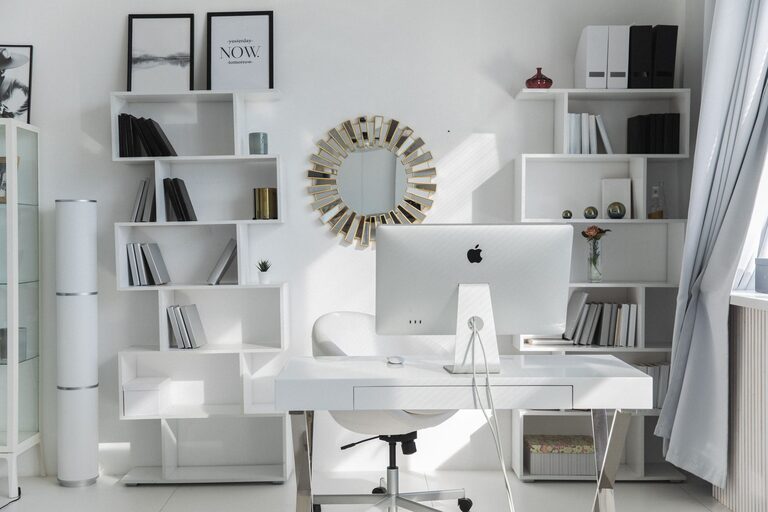
– Shelves: Store books, binders, and decorative items off your desk.
– Filing System: Keep important documents organized and accessible.
– Cable Management: Use clips or sleeves to keep cords untangled and out of the way.
Regularly review your storage system to ensure it suits your changing needs.
Keep Digital Clutter in Check
Organizing your physical space is important, but digital clutter can slow you down too. To stay organized digitally:
– Create clear folders for documents and projects.
– Use cloud storage to keep files accessible and safe.
– Delete or archive files you no longer need.
– Manage your email inbox with folders and filters.
A clean digital workspace complements your physical one and streamlines your workflow.
Personalize Your Workspace Thoughtfully
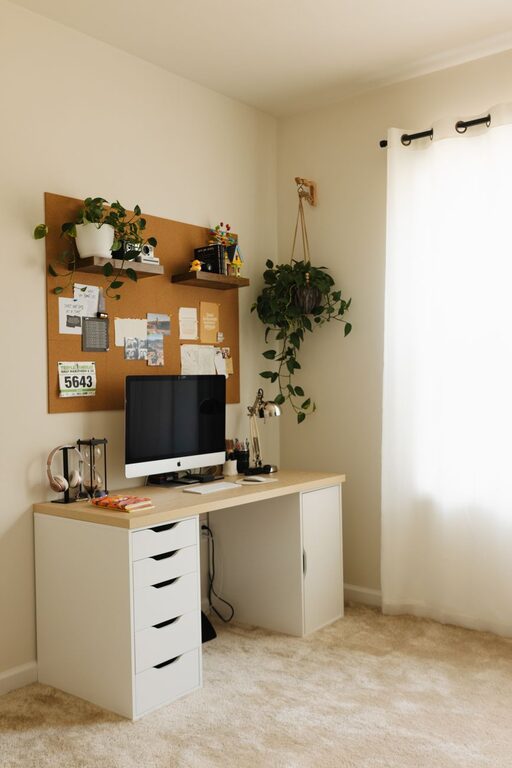
Adding personal touches like a plant, a photo, or artwork can make your area more inviting and boost your mood. However, keep it minimal to avoid distractions. Choose items that inspire you without creating clutter.
Establish Daily Habits for Staying Organized
Organization is an ongoing process, not a one-time task. Build habits like these to maintain your workspace:
– Spend 5 minutes at the end of each day tidying your desk.
– Regularly go through papers and recycle or file them.
– Schedule weekly or monthly deeper cleaning sessions.
– Put away tools and supplies after use.
Consistent small efforts prevent clutter buildup and keep your space ready for productivity.
Choose the Right Furniture and Equipment
Ergonomics and functionality matter. Here are some tips for selecting your workspace essentials:
– Choose a comfortable chair with good back support.
– Use a desk at the correct height to maintain good posture.
– Consider a monitor stand or adjustable desk if possible.
– Use an external keyboard and mouse if you work on a laptop.
Proper furniture helps prevent discomfort and supports long periods of focused work.
Manage Time and Breaks Effectively
An organized workspace supports good time management. Use timers or apps to break your work into manageable intervals. Taking regular breaks helps maintain focus.
Keep your workspace clean during breaks—it’s easier to return to work when your environment is tidy and ready.
Final Thoughts
Building a clutter-free and productive home workspace takes some planning but pays off in big ways. By choosing the right location, decluttering, using smart storage, and maintaining good habits, you’ll create a space that fosters focus and efficiency. Remember, the goal is to make your workspace work for you—clean, comfortable, and inspiring.
Start small today and enjoy the positive impact of an organized home workspace on your productivity!
About the Author