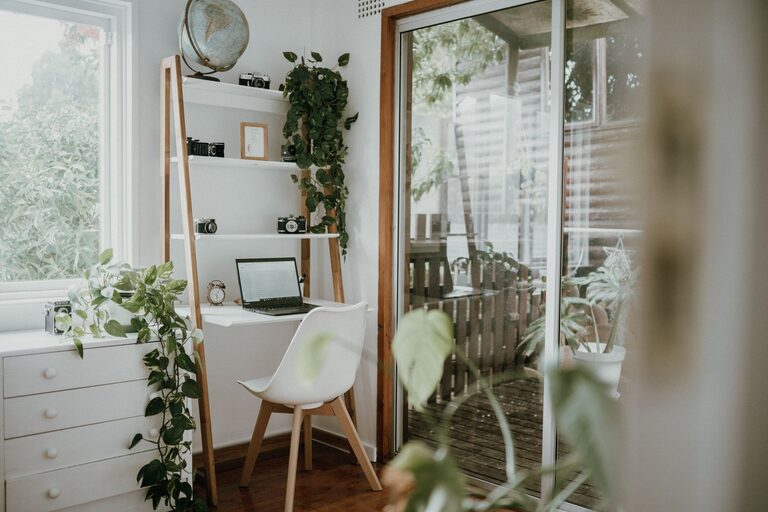
Creating a cozy and productive home office space is essential for anyone working remotely or spending significant time on personal projects. A well-designed workspace helps you focus, reduces distractions, and promotes comfort throughout your workday. Whether you have a dedicated room or just a small corner in your home, these tips will help you transform it into an inviting and efficient office.
Choose the Right Location
Selecting the best spot for your home office is the first step. Ideally, pick a quiet area with minimal foot traffic and distractions. If possible, choose a space with natural light, as sunlight boosts mood and alertness.
– Avoid high-traffic areas like busy hallways or near the kitchen.
– Consider proximity to power outlets and internet connections.
– If space is limited, use a room divider or screen to separate your office zone.
Invest in Comfortable and Supportive Furniture
Your furniture directly impacts your comfort and productivity. Choose a desk and chair that support good posture and prevent strain.
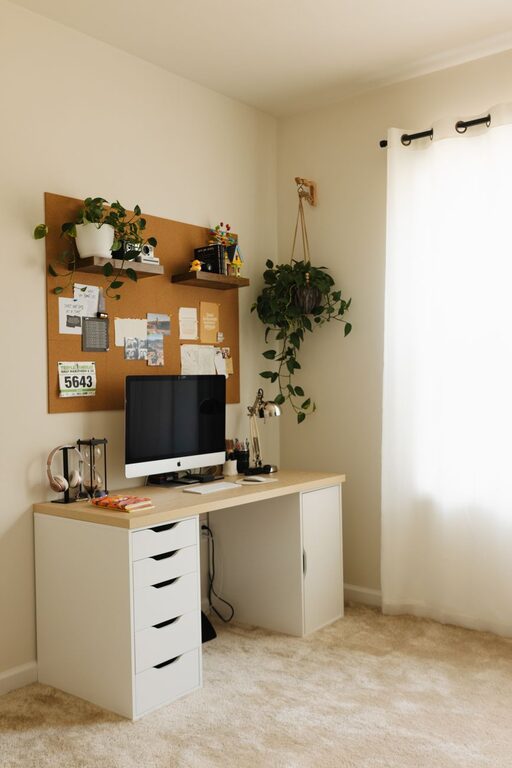
– Desk: Pick a desk that fits your work essentials without feeling cramped. Adjustable-height desks offer flexibility between sitting and standing.
– Chair: Invest in an ergonomic chair with lumbar support, adjustable height, and comfortable cushioning.
– Storage: Use shelves, filing cabinets, or organizers to keep your workspace tidy and your supplies within reach.
Optimize Lighting
Proper lighting reduces eye strain and maintains alertness. Combining natural and artificial light works best.
– Position your desk near a window to take advantage of daylight.
– Use adjustable task lighting for focused work, like a desk lamp with a flexible neck.
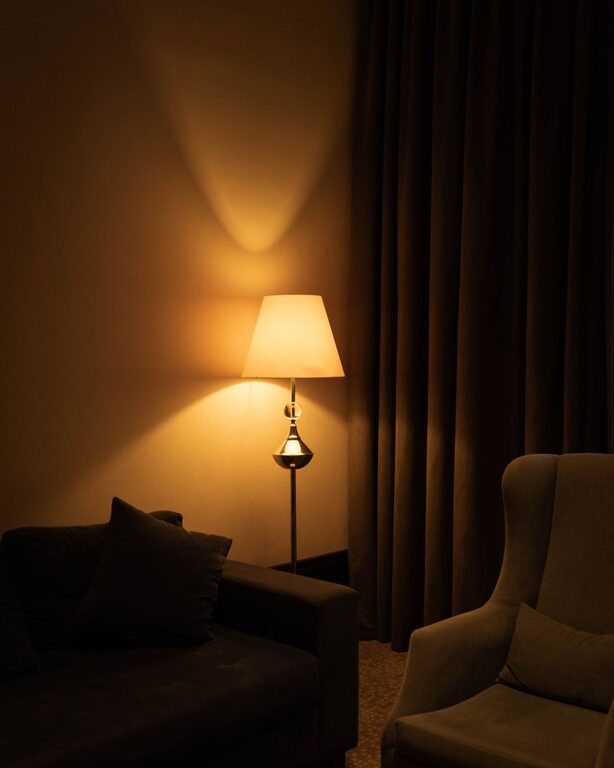
– Choose warm, soft bulbs for ambient lighting to create a cozy atmosphere, especially for evening work.
Personalize Your Space
Adding personal touches can make your home office feel welcoming and inspire creativity.
– Decorate with artwork, plants, or photos that make you feel happy.
– Use colors that help you focus—soft blues, greens, or neutrals are calming, while pops of bright colors can energize.
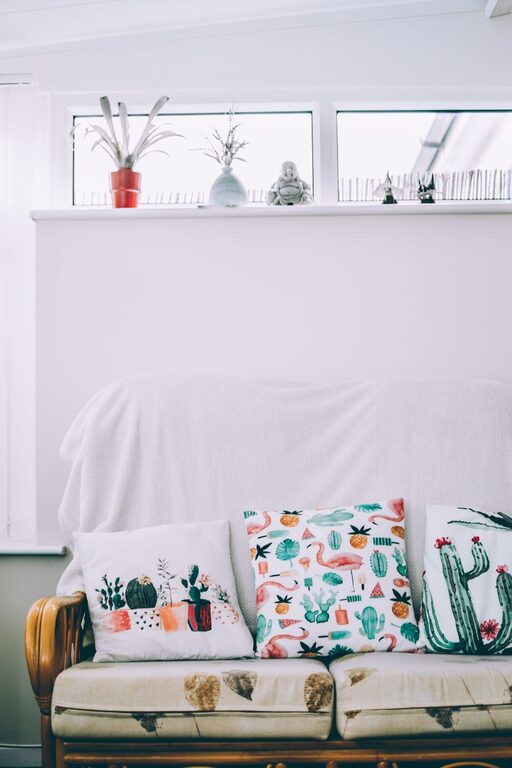
– Incorporate textured fabrics, like a plush rug or cozy throw blanket, to add warmth.
Keep Your Workspace Organized
Clutter can distract and reduce efficiency. Organizing your office keeps your mind clear and work flowing smoothly.
– Use cable organizers to manage cords and avoid tangles.
– Keep frequently used items within arm’s reach and store less-essential items away.
– Set aside a few minutes at the end of each day to tidy your desk.
Minimize Distractions
Create an environment that supports concentration by minimizing sources of distraction.
– Use noise-canceling headphones or play soft instrumental music to drown out background noise.
– Turn off notifications on your phone or computer when focusing on tasks.
– Communicate boundaries to others in your home so they respect your workspace and time.
Incorporate Break Areas and Movement
Taking regular breaks and moving helps prevent fatigue and boosts productivity.
– Include a small area with a comfortable chair for short breaks or reading.
– Consider a standing mat if you use a standing desk to reduce discomfort.
– Use reminders or apps to encourage stretching or walking every hour.
Manage Technology Efficiently
Your technology setup should facilitate work, not frustrate it.
– Ensure fast and reliable internet connectivity.
– Organize your computer desktop and digital files for easy access.
– Use a quality webcam, microphone, and speakers if you frequently attend virtual meetings.
Improve Air Quality and Temperature
A comfortable environment supports sustained focus.
– Open windows occasionally for fresh air or use an air purifier if needed.
– Adjust temperature settings to a comfortable level—too hot or too cold can be distracting.
– Place a small fan or heater nearby for personal comfort.
Create a Routine and Set Boundaries
While not a part of the physical space, your habits greatly affect your productivity.
– Establish regular work hours and stick to them.
– Start by tidying your workspace each morning to signal the beginning of your workday.
– End your day by shutting down work-related devices and physically leaving your home office.
—
By combining comfort, organization, and intentional design, you can create a home office space that feels inviting and helps you work efficiently. Remember, your ideal setup may take some time to find—experiment with these tips and adjust to what works best for your needs. Happy working!
About the Author