Creating a home workspace that is both cozy and functional can make a world of difference in your productivity and overall work experience. Whether you are working remotely full-time or just need a dedicated spot for occasional tasks, a thoughtfully designed workspace encourages focus and comfort. In this post, we’ll explore practical tips on how to set up a home office that feels inviting while supporting your work needs.
Choose the Right Location
Finding the perfect spot in your home can set the tone for your workspace. Consider these factors when choosing your location:
– Natural Light: A space near a window provides natural light, which can improve mood, energy, and concentration.
– Quietness: Select a quiet area that minimizes distractions from household noise or street sounds.
– Space Availability: Ensure you have enough room for your desk, chair, and other work essentials without feeling cramped.
If space is limited, even a small corner of a room can be transformed into a functional workspace.
Invest in Comfortable Furniture
Comfort is key when you’ll be spending long hours working:
– Ergonomic Chair: Choose a chair that supports your back and encourages good posture. Adjustable height and lumbar support are important features.
– Desk: Select a desk that fits your space and your work style. For instance, standing desks can be a good option if you want to alternate between sitting and standing.
– Additional Seating: If you have space, include a small comfy chair or cushion for breaks or reading.
Organize with Purpose
Clutter can quickly disrupt productivity. Keep your workspace neat using these organizing tips:
– Desk Organizers: Use trays, pen holders, and drawers to keep office supplies sorted.
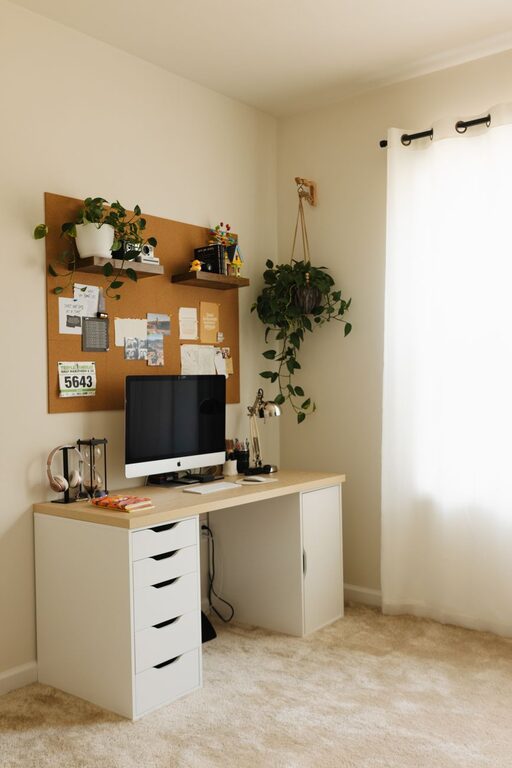
– Shelving: Wall-mounted shelves free up desktop space and provide storage for books or files.
– Cable Management: Use clips or sleeves to bundle cords and avoid tangles.
– Filing Systems: Create a filing system with labeled folders or boxes to keep important documents accessible but out of the way.
Add Personal and Cozy Touches
Making your workspace cozy helps create a space you enjoy spending time in:
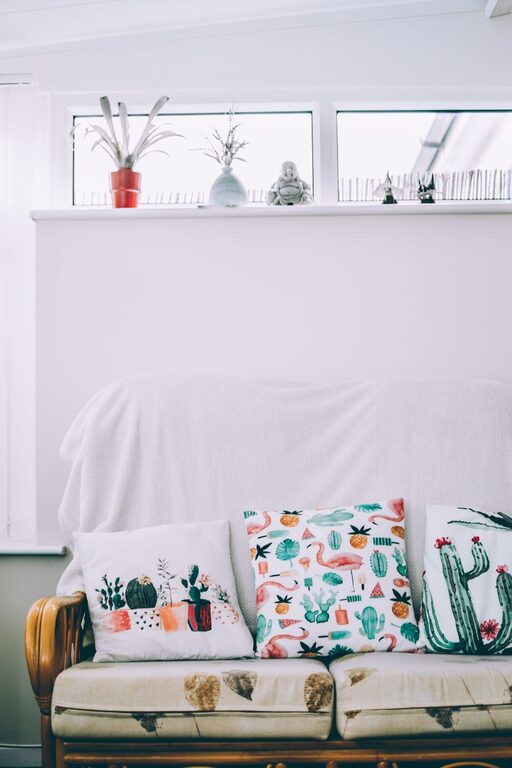
– Soft Textiles: A comfortable rug, a throw blanket, or cushions add warmth.
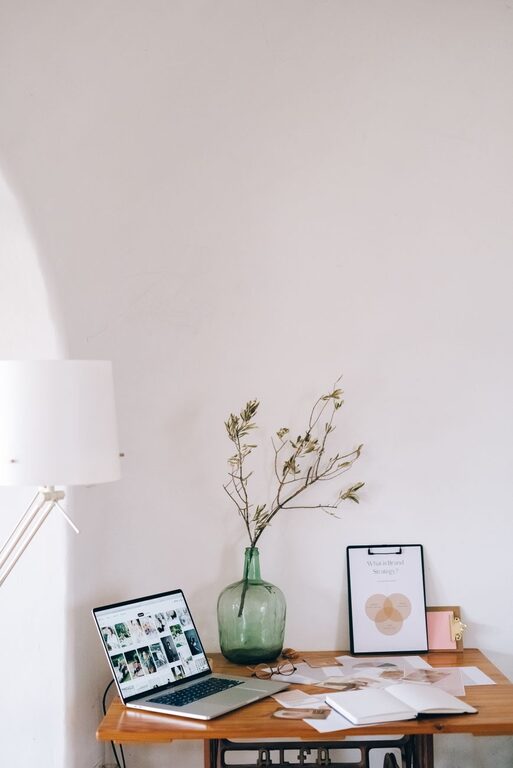
– Plants: Indoor plants improve air quality and add a touch of nature.
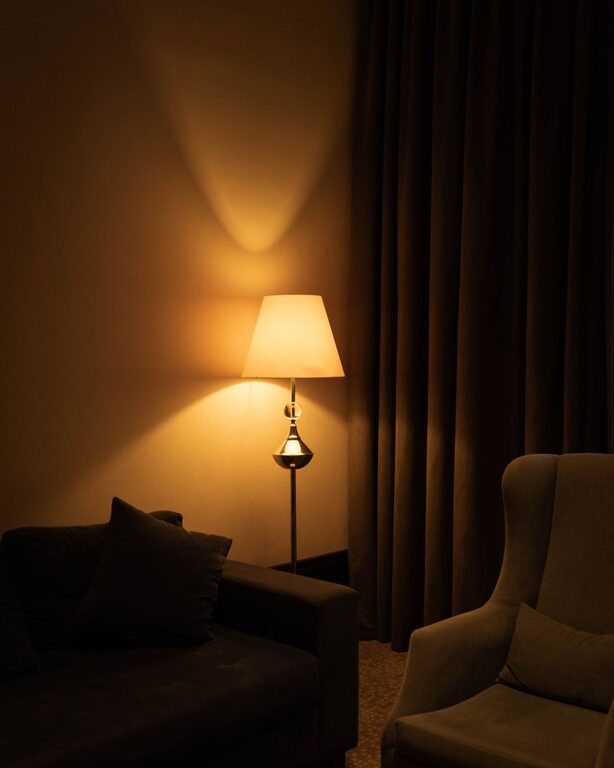
– Lighting: Use layered lighting—combine overhead lights with a desk lamp and perhaps some string or fairy lights for ambience.
– Artwork and Photos: Decorate with inspiring images or personal photos to keep motivation high.
Optimize for Productivity
A functional home office supports your daily tasks effectively:
– Adequate Lighting: Position your desk to minimize glare and add task lighting to reduce eye strain.
– Technology Setup: Arrange your computer, printer, and other devices for easy access. Test internet connectivity regularly.
– Noise Control: Use noise-cancelling headphones or white noise machines if background sounds are distracting.
– Time Management Tools: Keep a clock or timer nearby to help manage breaks and focus sessions.
Maintain Healthy Habits
Your workspace can encourage habits that promote wellness:
– Movement: Incorporate stretches or short walks into your routine. Consider a standing desk or balance board.
– Hydration: Keep a water bottle at your desk to stay hydrated.
– Breaks: Schedule regular breaks away from the screen to refresh your mind.
– Air Quality: Open windows when possible or use an air purifier to keep fresh air flowing.
Personalize Within Reason
While personalization boosts comfort, avoid overwhelming your workspace with too many items. Keep the balance between cozy and clutter-free so your space remains inviting and productive.
Final Thoughts
Creating a cozy and functional home workspace is about blending comfort with smart organization. By choosing the right location, investing in ergonomic furniture, staying organized, and adding personal touches, you’ll build a space that supports both your well-being and your work goals. With a well-planned home office, you’ll find it easier to focus, stay motivated, and enjoy your work-from-home days.
Remember, your ideal workspace reflects your preferences and needs, so keep experimenting with different layouts and setups until you find what works best for you!
About the Author